
Legal Basement Apartments in Toronto: What You Need to Know
In Toronto’s competitive housing market, many homeowners are turning their basements into legal secondary suites. A legal basement apartment can generate rental income, increase property value, and make better use of unused space.
However, converting a basement into a legal apartment in Toronto requires meeting strict building codes, zoning regulations, and safety standards.
In this guide, we’ll explain everything homeowners need to know about creating a legal basement apartment in Toronto, including permits, requirements, and the renovation process.
What Is a Legal Basement Apartment?
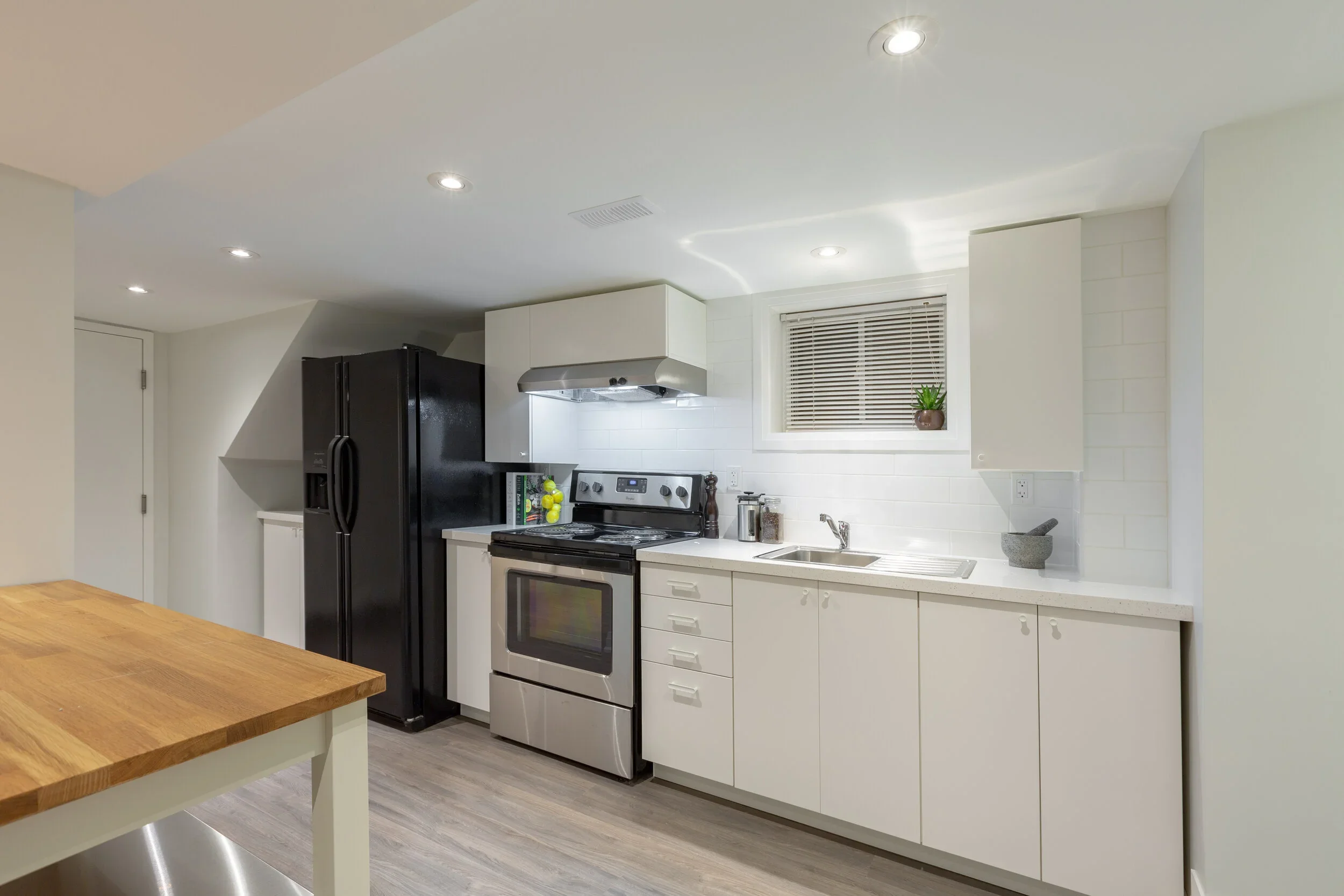
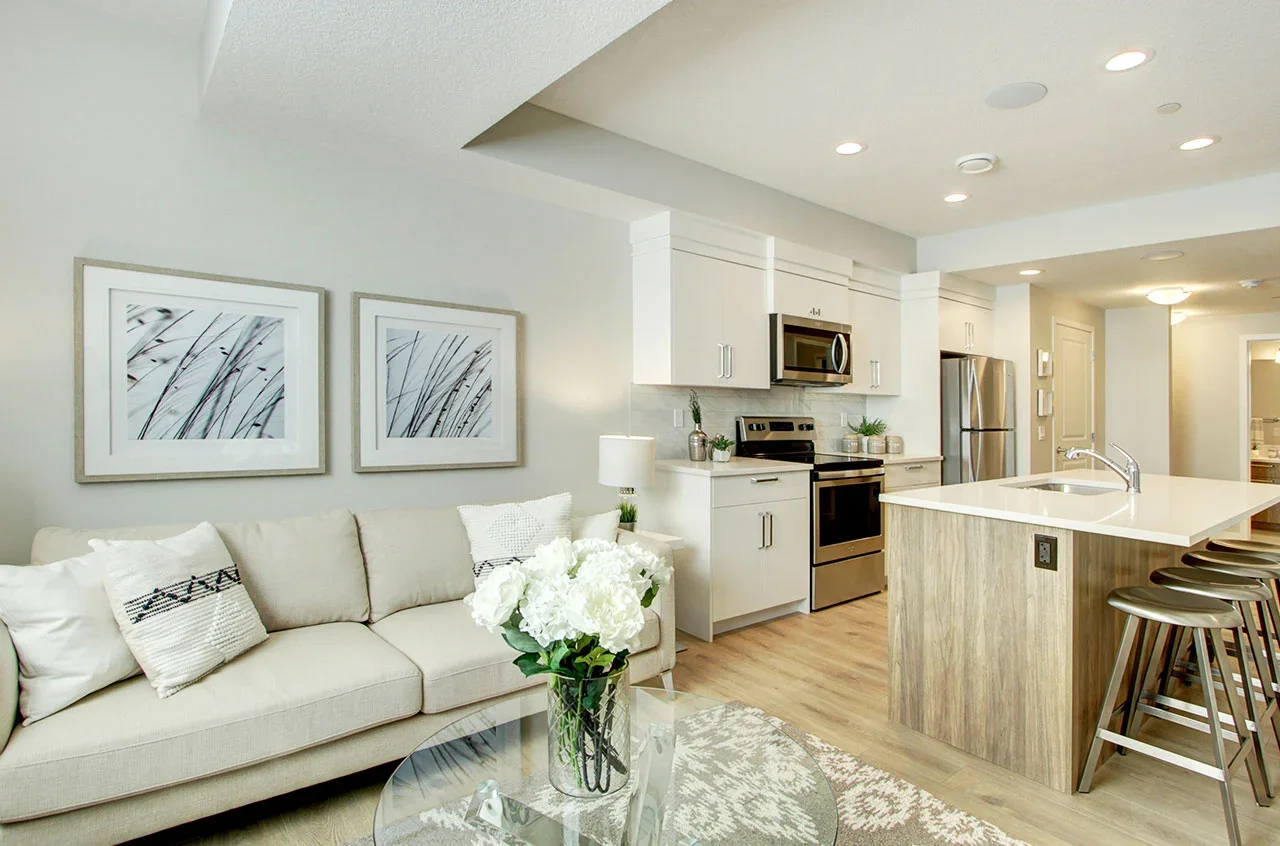
A legal basement apartment, also known as a secondary suite, is a self-contained residential unit located within a house.
It typically includes:
-A separate entrance
-A kitchen
-A bathroom
-A sleeping area
-Independent living space
In Toronto, legal basement apartments must comply with Ontario Building Code, Toronto zoning bylaws, and fire safety regulations.
If your basement does not meet these requirements, it may be considered an illegal basement unit, which can result in fines or orders to remove the unit.
Benefits of a Legal Basement Apartment
Many homeowners in Toronto convert their basements into legal apartments because of the financial and practical advantages.
Additional Rental Income
A legal basement unit can provide steady rental income, helping homeowners offset mortgage payments or property taxes.
Increased Property Value
Homes with legal secondary suites often have higher resale value because they offer additional living space or rental potential.
Efficient Use of Space
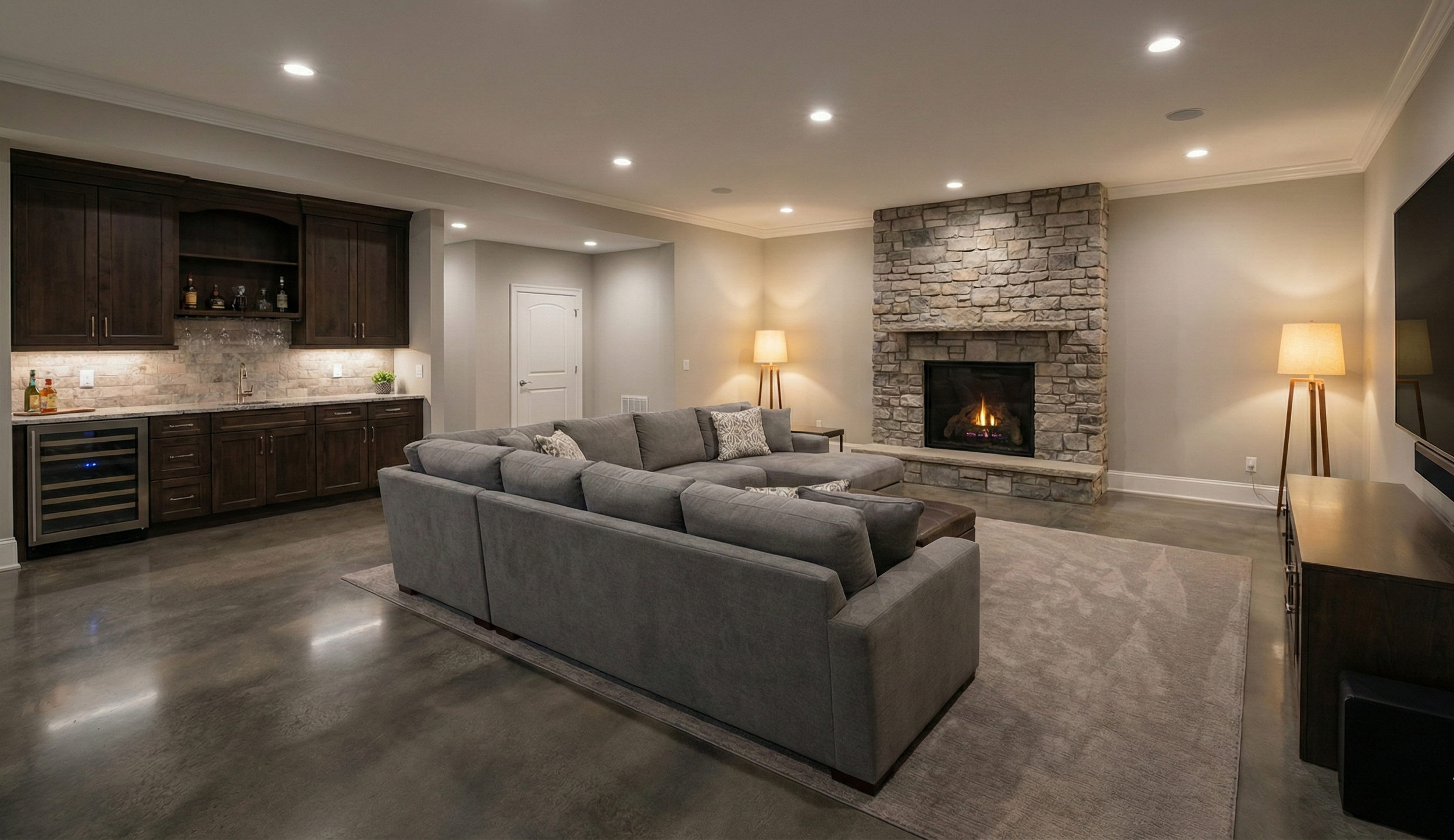
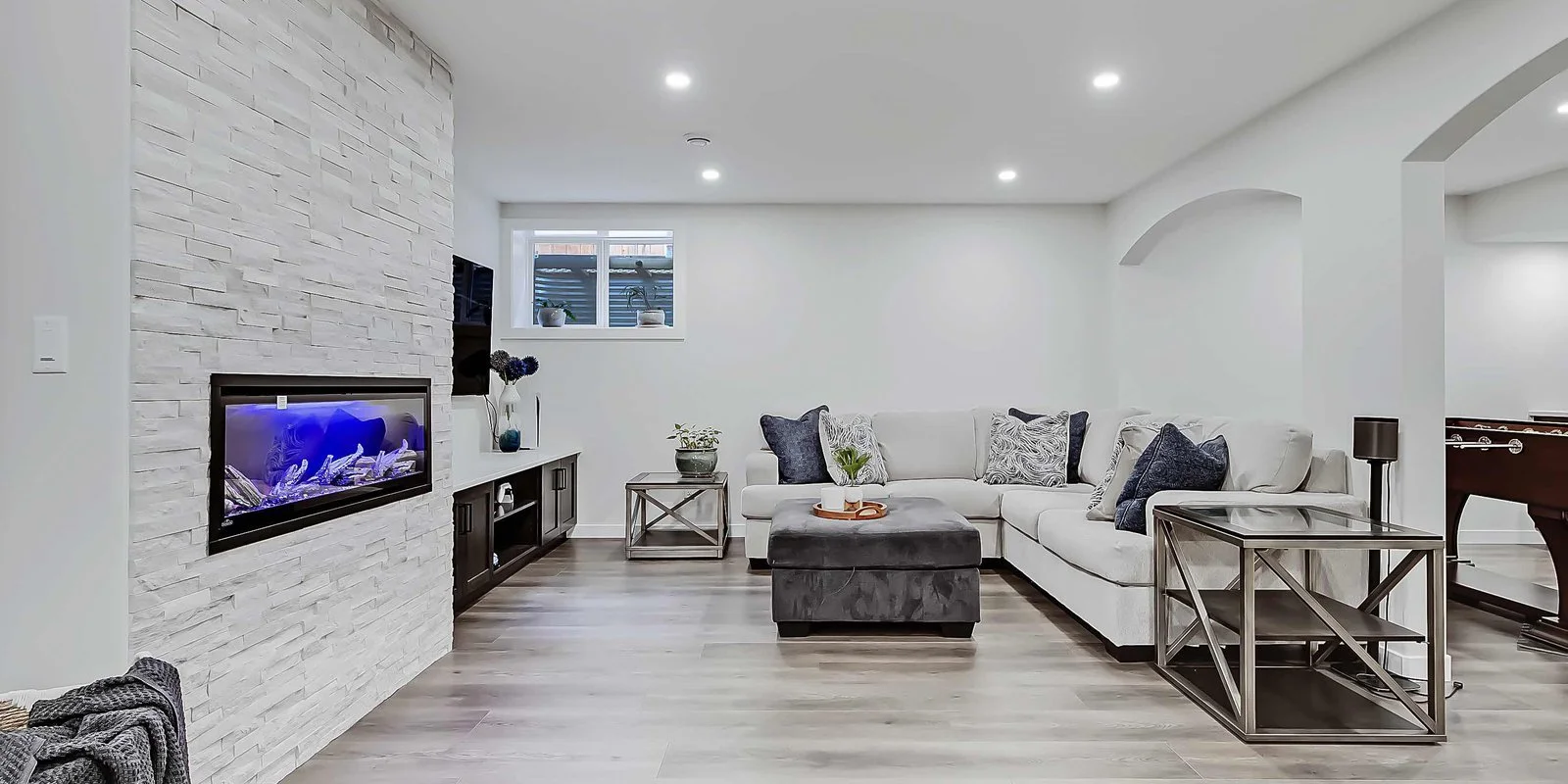
Instead of leaving the basement unused, homeowners can transform it into a functional living area.
Support Toronto’s Housing Demand
Secondary suites help address Toronto’s housing shortage by providing affordable rental options.
Requirements for Legal Basement Apartments in Toronto
Before building a basement apartment, homeowners must ensure their property meets zoning and building requirements.
Zoning Requirements
Most Toronto residential zones allow secondary suites, but certain conditions apply.
Your home must typically be:
-A detached house
-A semi-detached house
-A townhouse
Condominiums and some specific zones may have restrictions.
Ceiling Height
The Ontario Building Code generally requires a minimum ceiling height of about 6 ft 5 in (1.95 m) for basement living spaces.
Lower ceilings may require structural modifications such as underpinning or lowering the basement floor.
Separate Entrance
A legal basement apartment must have safe access to the unit, which may include:
-A separate side entrance
-A rear entrance
-Shared entrance with proper fire separation
Fire Safety Requirements
Fire safety is one of the most important aspects of legal basement apartments.
Typical requirements include:
-Fire-rated drywall between units
-Interconnected smoke alarms
-Carbon monoxide detectors
-Proper fire separation between floors
Egress Windows
Bedrooms in basement apartments must have egress windows large enough for emergency escape.
These windows must meet specific size and accessibility requirements defined in the Ontario Building Code.
Parking Requirements
Some properties may need additional parking spaces when adding a secondary suite, depending on the zoning bylaws.
Do You Need a Permit for a Basement Apartment?
Yes.
Homeowners must obtain building permits from the City of Toronto before constructing or converting a basement apartment.
Permits ensure that the project meets:
-Ontario Building Code
-Toronto zoning bylaws
-Fire safety standards
Failing to obtain permits may lead to fines or forced removal of the unit.
The Basement Apartment Renovation Process
Creating a legal basement apartment typically involves several steps.
1. Planning and Design
Architectural drawings and design plans are created to ensure compliance with zoning and building codes.
2. Permit Application
Plans are submitted to the City of Toronto for approval.
3. Construction
Renovation work may include:
-framing
-plumbing
-electrical
-insulation
-drywall
-flooring
-kitchen installation
4. Inspections
City inspectors review the project at different stages.
5. Final Approval
Once construction meets all requirements, the basement apartment becomes a legal secondary suite.
Final Thoughts
A legal basement apartment is one of the most effective ways to increase property value and generate rental income in Toronto.
However, homeowners must carefully follow zoning rules, building codes, and permit requirements to ensure the unit is fully compliant.
Working with an experienced renovation contractor can help streamline the process and avoid costly mistakes.
Planning to build a legal basement apartment in Toronto?
Betterview specializes in basement renovations, secondary suites, and design-build projects across the GTA.
Contact us today for a free consultation and learn how we can help transform your basement into a legal rental suite.