
Second Floor Addition vs Rear Extension: Which Option Fits Your Home Best?
Expanding your home is one of the most effective ways to gain space without moving.
For many homeowners in the GTA, the decision often comes down to building up (second floor addition) or building out (rear extension).
Both options offer unique advantages—but the right choice depends on your property, budget, and long-term goals.
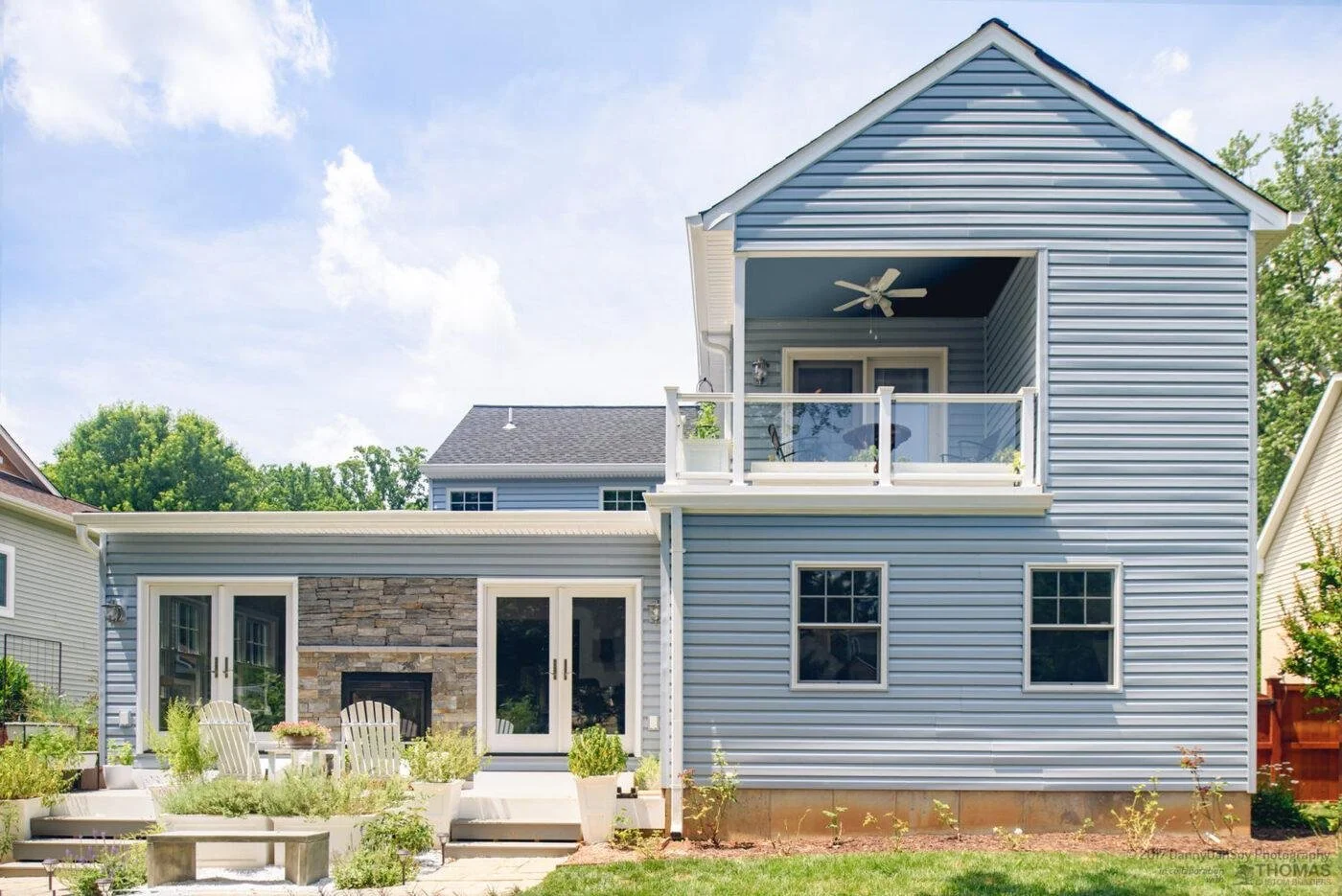
What Is a Second Floor Addition?
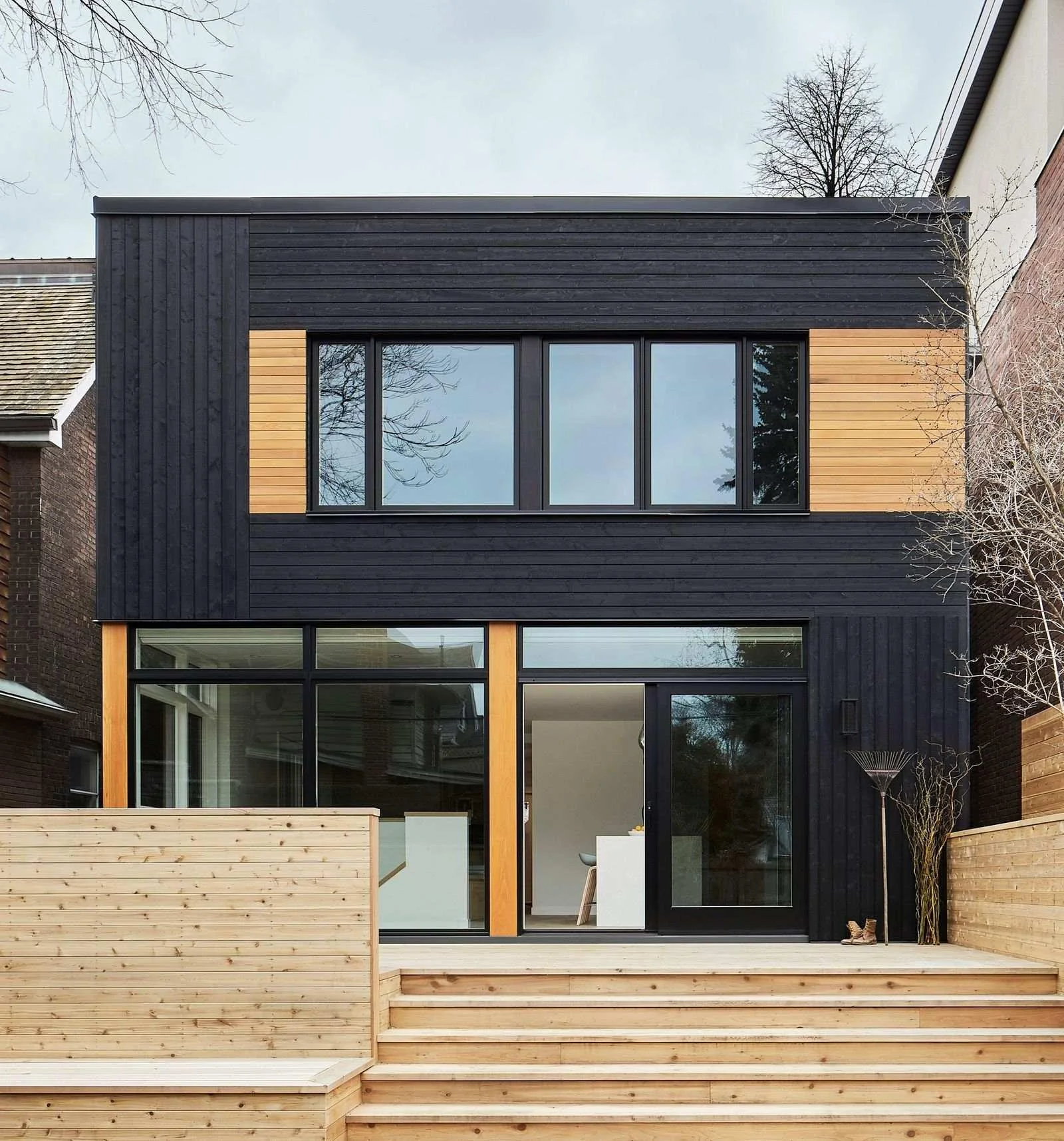
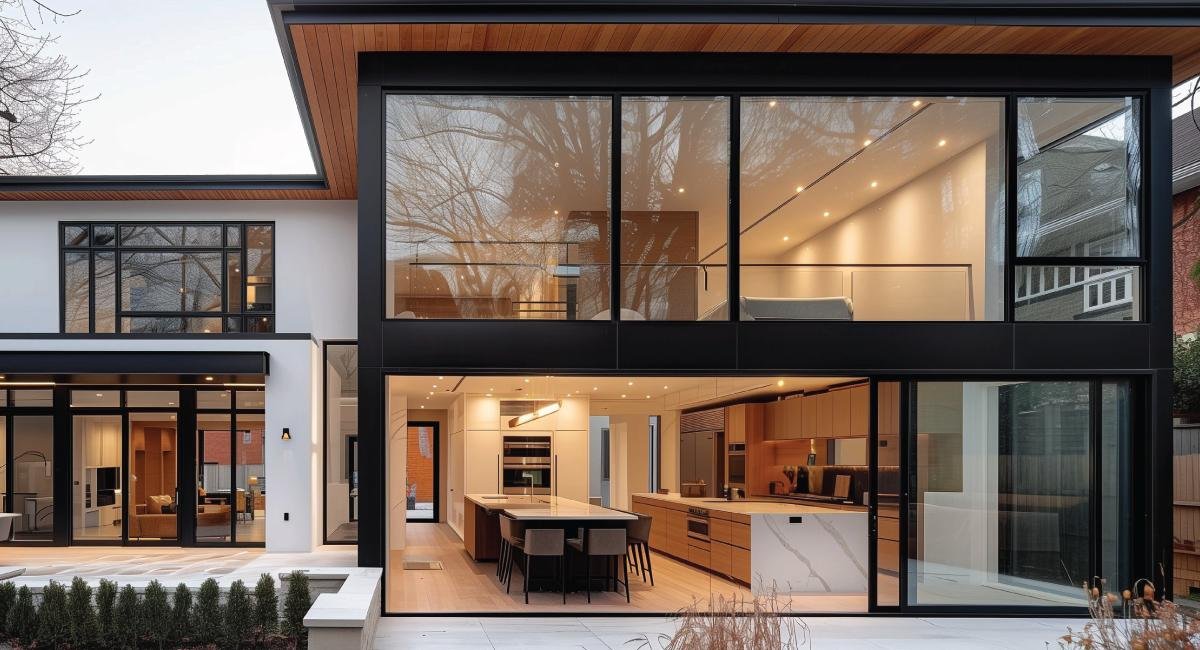
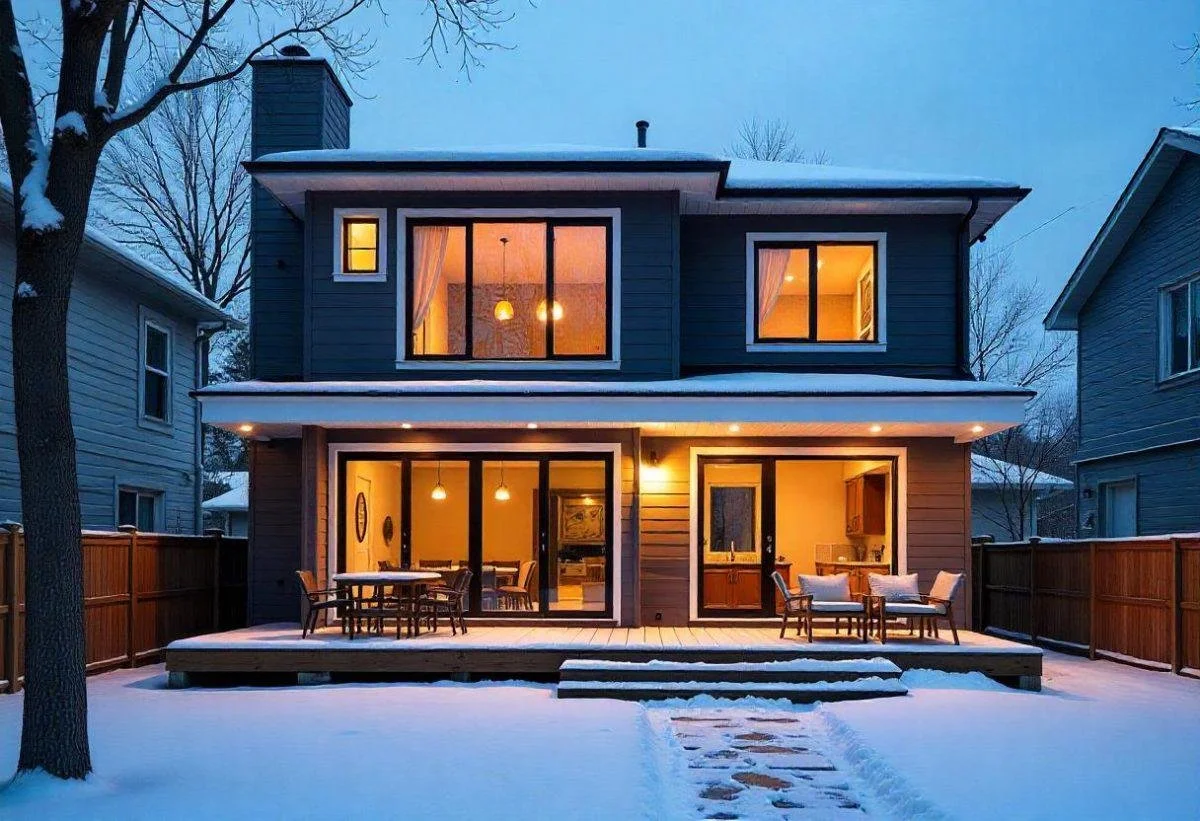
A second floor addition involves building a new level on top of your existing home, effectively doubling your living space without increasing your home’s footprint.
Best for:
-Bungalows or single-story homes
-Properties with limited lot size
-Homeowners needing significant extra space
Advantages:
-Maximizes living space without using yard area
-Ideal for adding bedrooms, bathrooms, or a full suite
-Preserves outdoor space
Considerations:
-Requires structural reinforcement
-More complex engineering and planning
-Higher construction impact during the build
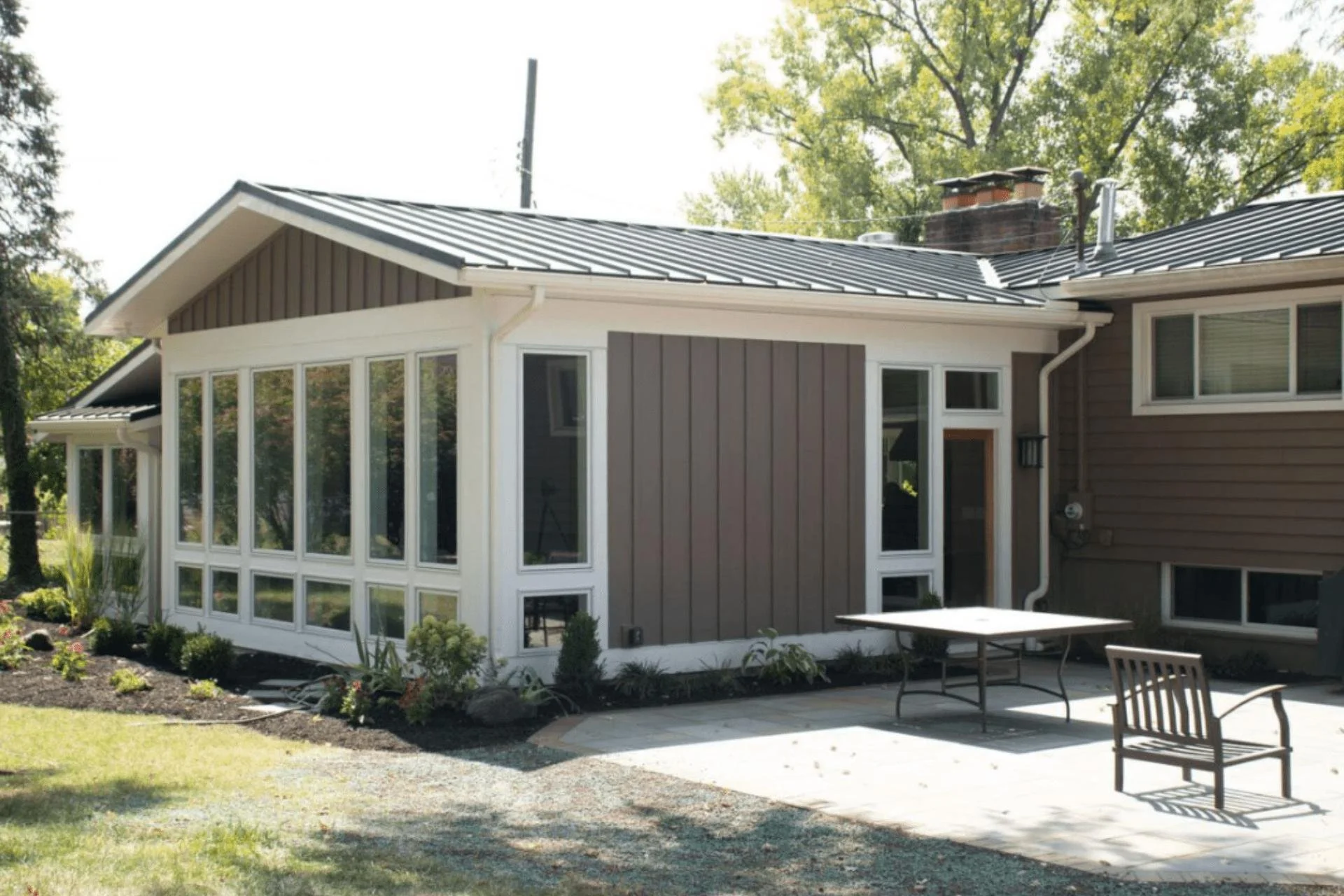
What Is a Rear Extension?
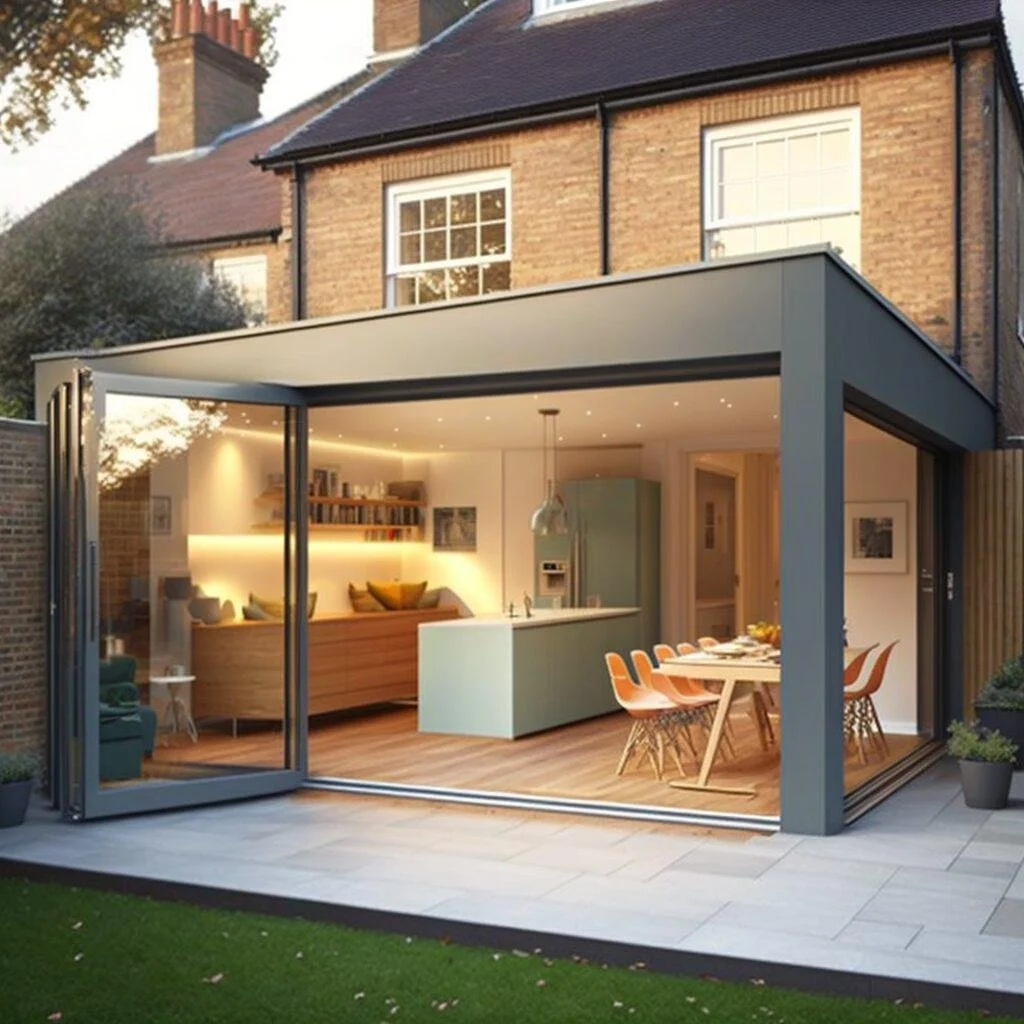
A rear extension expands your home outward into your backyard, often used to enlarge kitchens, dining areas, or living spaces.
Best for:
-Homes with sufficient backyard space
-Open-concept renovations
-Improving layout and flow
Advantages:
-Simpler structural work compared to building upward
-Easier integration with existing layout
-Ideal for modern open-concept designs
Considerations:
-Reduces backyard space
-Subject to setback and zoning restrictions
-May not provide as much total square footage
Which Option Works Better for GTA Homes?
In cities like Toronto, Richmond Hill, Markham, and Vaughan, zoning bylaws and lot sizes play a major role.
Choose a Second Floor Addition if:
-Your lot is small or restricted
-You want to significantly increase square footage
-Your structure can support vertical expansion
Choose a Rear Extension if:
-You have unused backyard space
-You want a modern open-concept layout
-You prefer a less invasive construction process
In many GTA neighborhoods, setback limits and lot coverage rules may restrict how far you can extend outward—making second floor additions a more practical solution.
Permit & Planning Considerations in Ontario
Before starting any addition project, you’ll need:
-Building permits
-Zoning compliance review
-Structural engineering approval
-Possible Committee of Adjustment (COA) approval
A professional design-build contractor can handle this entire process—from drawings to approvals—ensuring your project meets all Ontario building codes.
How to Choose the Right Option
The best choice depends on three key factors:
1.Your Property
-Lot size
-Existing structure
-Zoning restrictions
2.Your Goals
-More bedrooms vs larger living space
-Rental potential
-Long-term family needs
3.Your Budget & Timeline
-Second floor = higher investment, bigger return in space
-Rear extension = faster, more cost-flexible
Final Thoughts
Both second floor additions and rear extensions are excellent ways to expand your home—but they serve different purposes.
-Build up if you need maximum space
-Build out if you want better layout and flow
The key is choosing a solution that aligns with your property conditions and long-term plans.
Planning a home addition in the GTA?
Our team specializes in second floor additions and rear extensions, handling everything from design and permits to construction and final inspection.
Contact us today for a consultation and find out which option is right for your home.