
How Much Does a Home Addition Cost in GTA?
Adding space to your home is one of the most effective ways to improve functionality and long-term value.
However, many homeowners in the Greater Toronto Area quickly realize that home addition costs can vary significantly from one project to another.
Rather than relying on unreliable “average prices,” it’s far more important to understand:
What actually drives the cost of a home addition
Why Home Addition Costs Vary So Much
No two homes — and no two projects — are the same.
In GTA cities like Toronto, Richmond Hill, and Markham, costs are influenced by:
-Property conditions
-Municipal regulations
-Structural complexity
-Design and material choices
A simple rear extension and a second-floor addition can differ dramatically in both scope and investment.
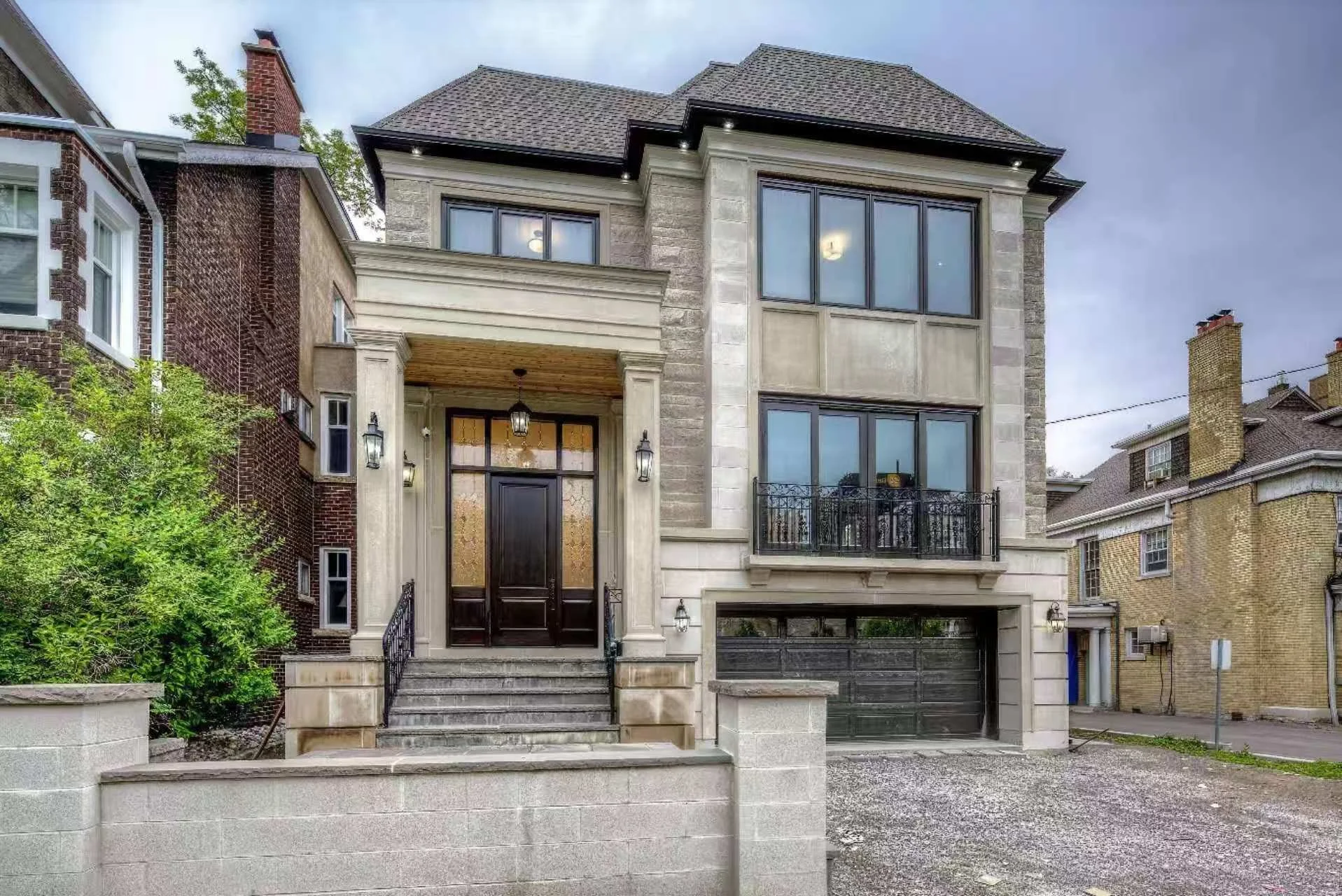
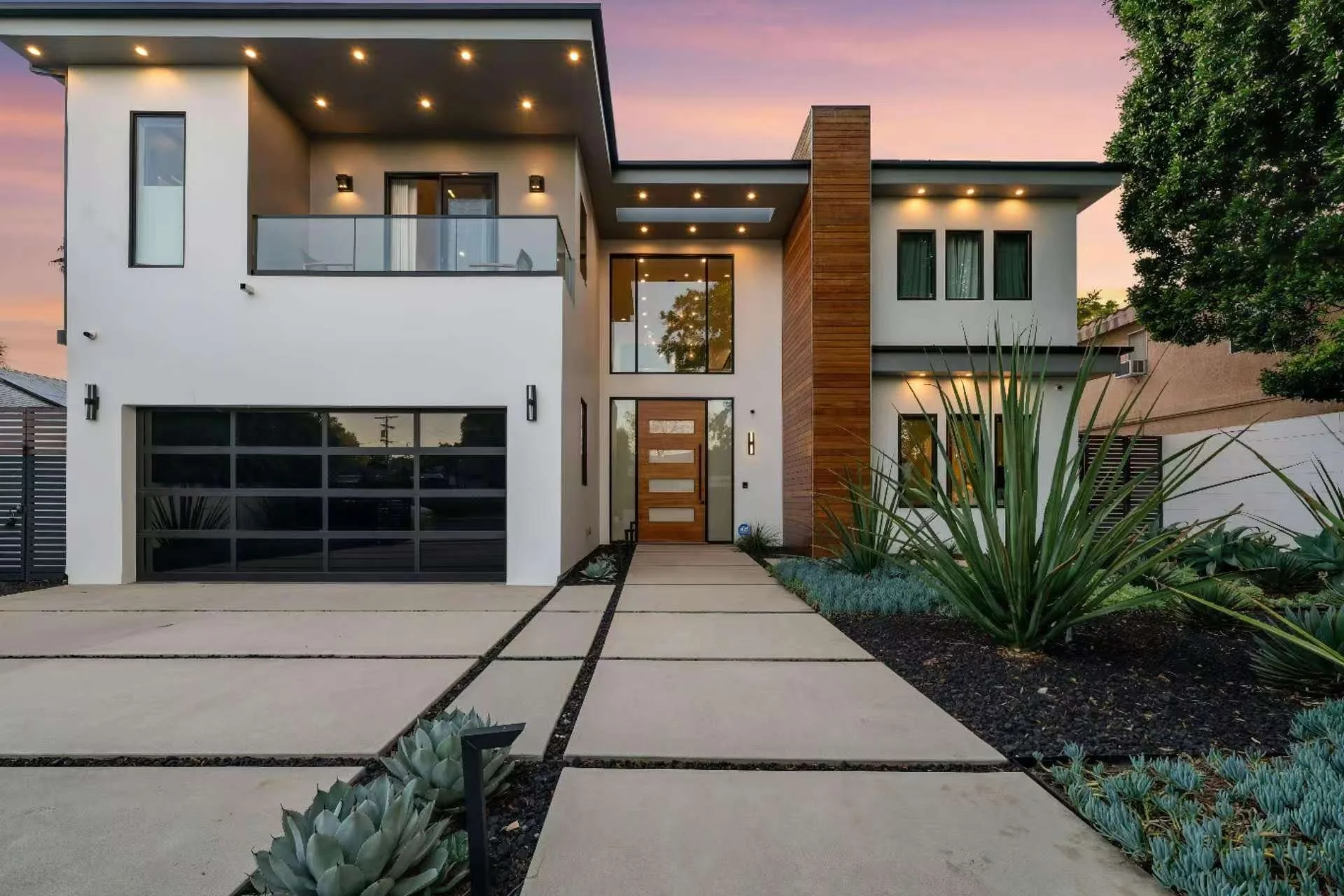
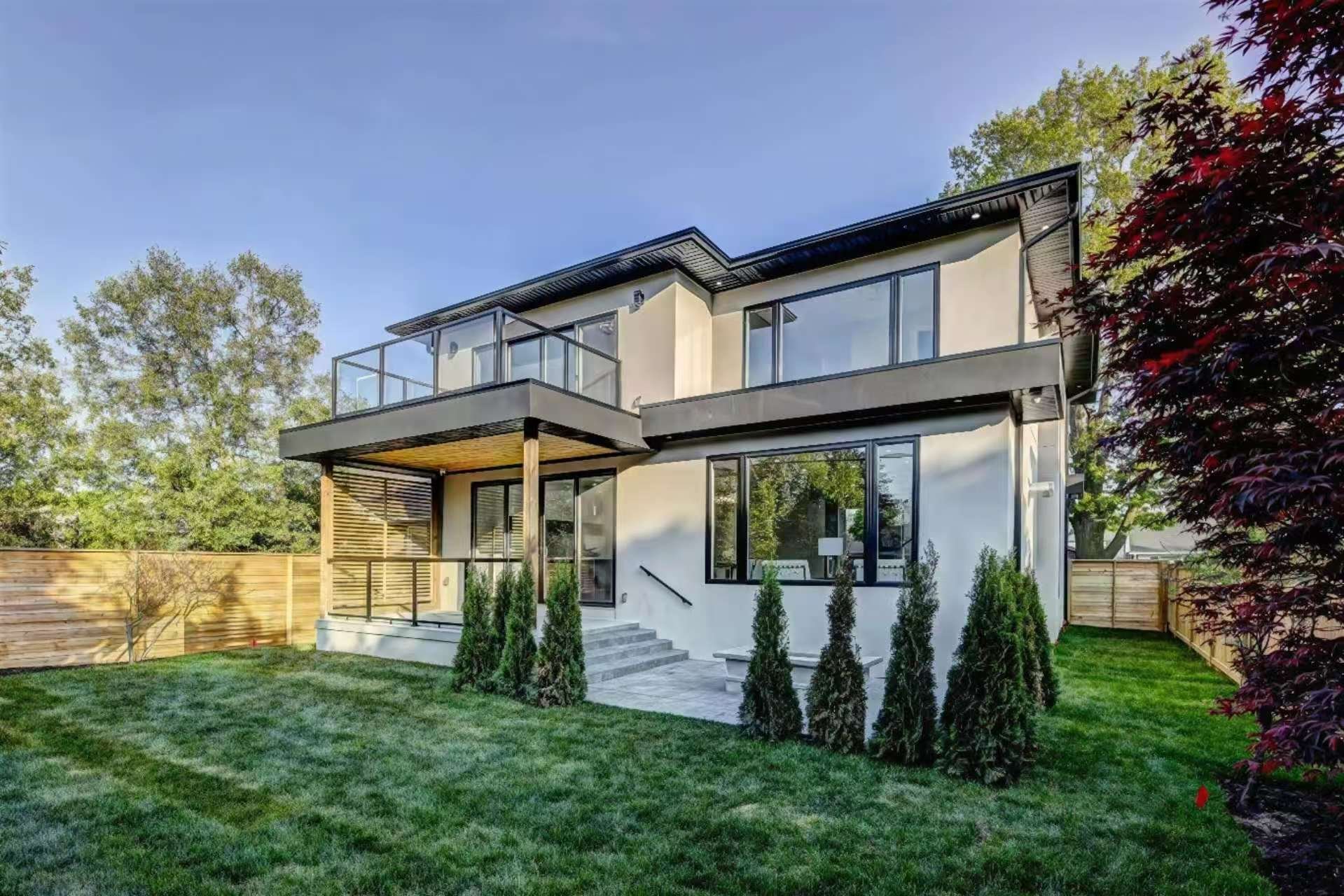
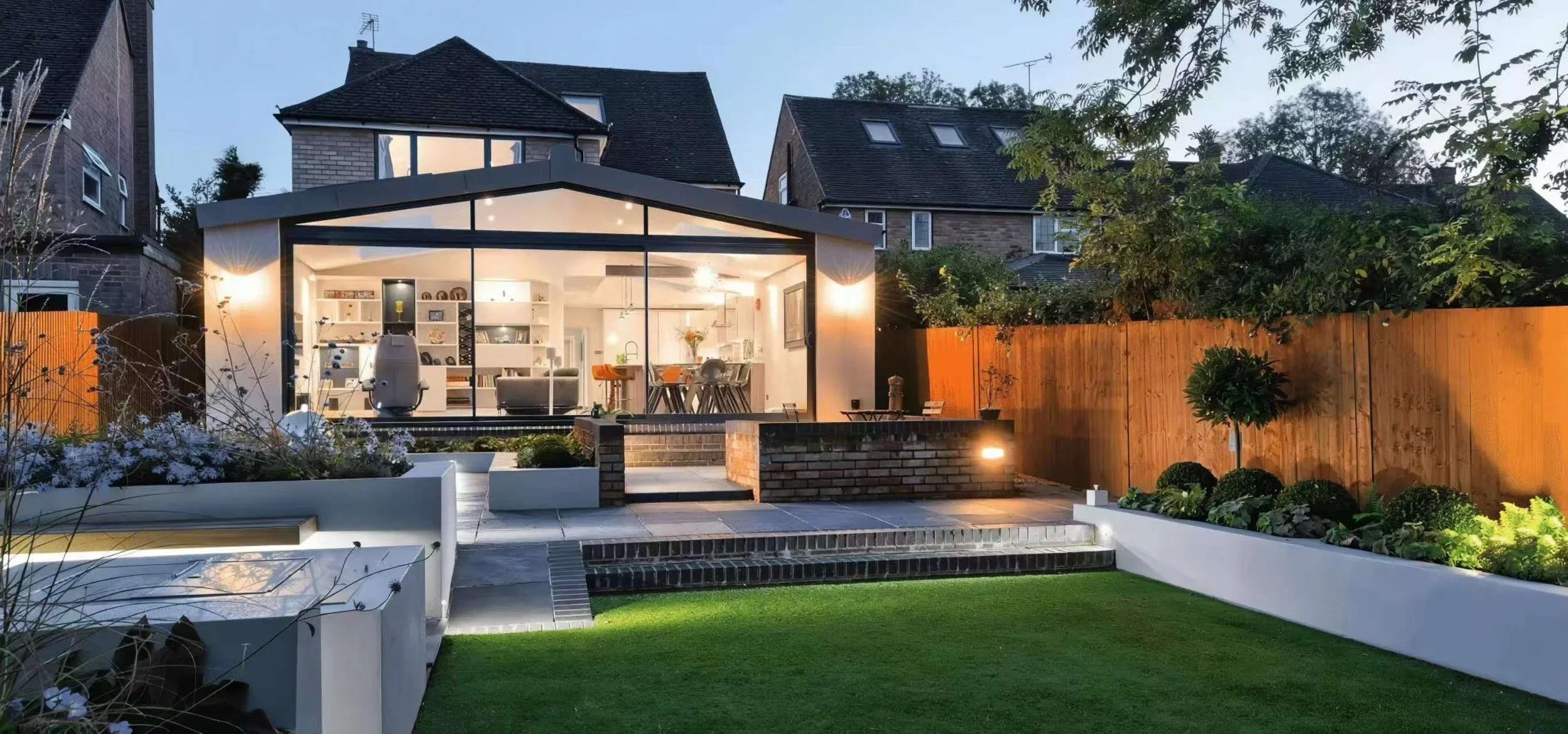
Key Factors That Affect Home Addition Costs
1. Type of Home Addition
The type of addition is the biggest cost driver.
Common types include:
-Rear extension
-Side addition
-Second-floor addition
-Garage addition (or above-garage suite)
-Basement expansion / underpinning
Structural additions (like second-floor or underpinning) typically require more engineering and labor.
2. Structural Complexity
Projects involving structural modifications will increase cost due to:
-Load-bearing wall removal
-Foundation reinforcement
-Roof restructuring
-Steel beam installation
The more structural work required, the higher the overall investment.
3. Permit & Approval Requirements
In the GTA, permits are mandatory for most home additions.
Costs and timelines depend on:
-Zoning compliance
-Setbacks and lot coverage
-Height restrictions
-Committee of Adjustment (COA) approvals
Projects requiring minor variance approvals often involve additional time and professional fees.
4. Design & Permit Drawings
Before construction begins, detailed drawings are required.
These include:
-Architectural drawings
-Structural drawings
-HVAC / mechanical layouts (if needed)
Well-prepared permit drawings can:
-Speed up approvals
-Reduce costly revisions
-Prevent construction delays
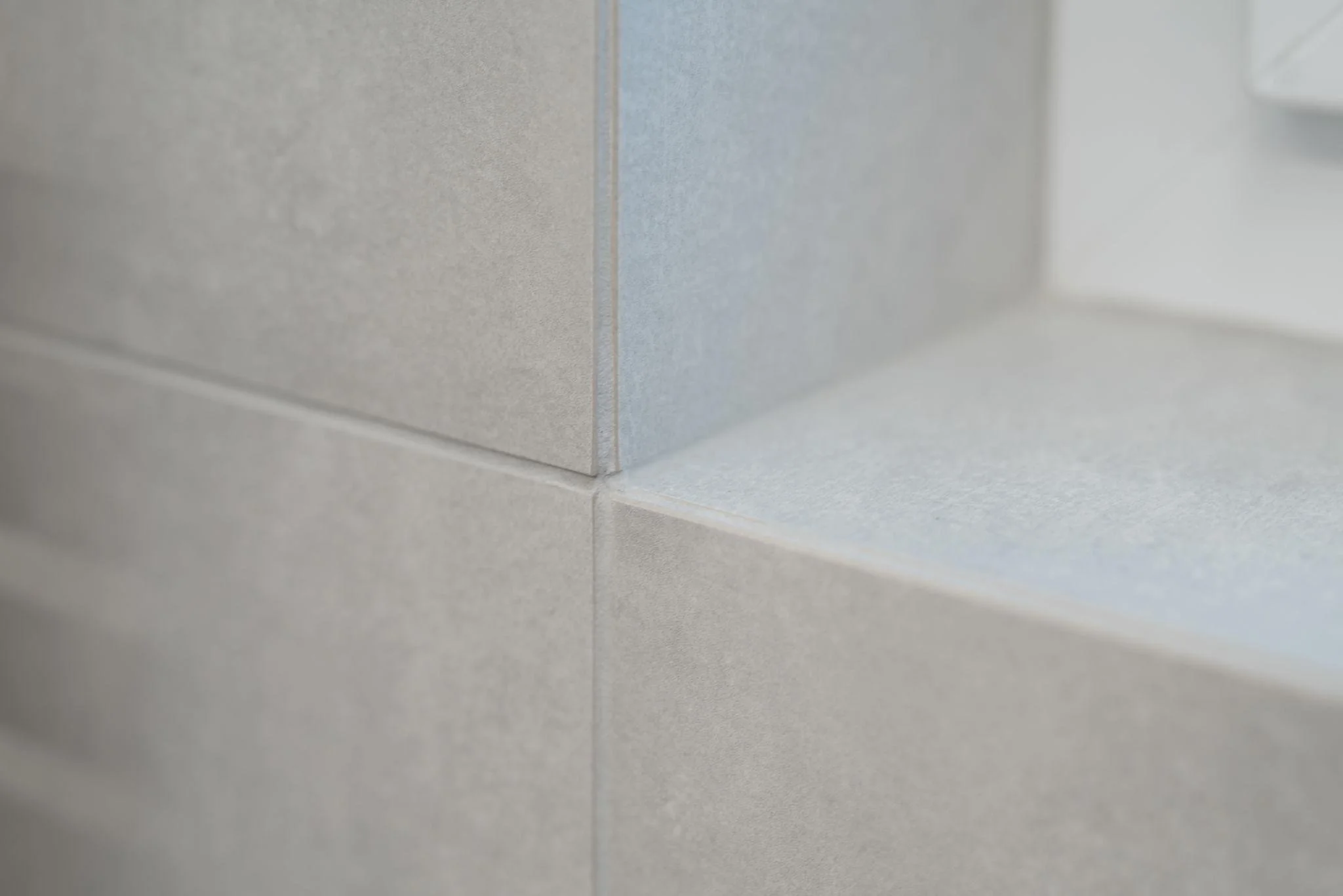
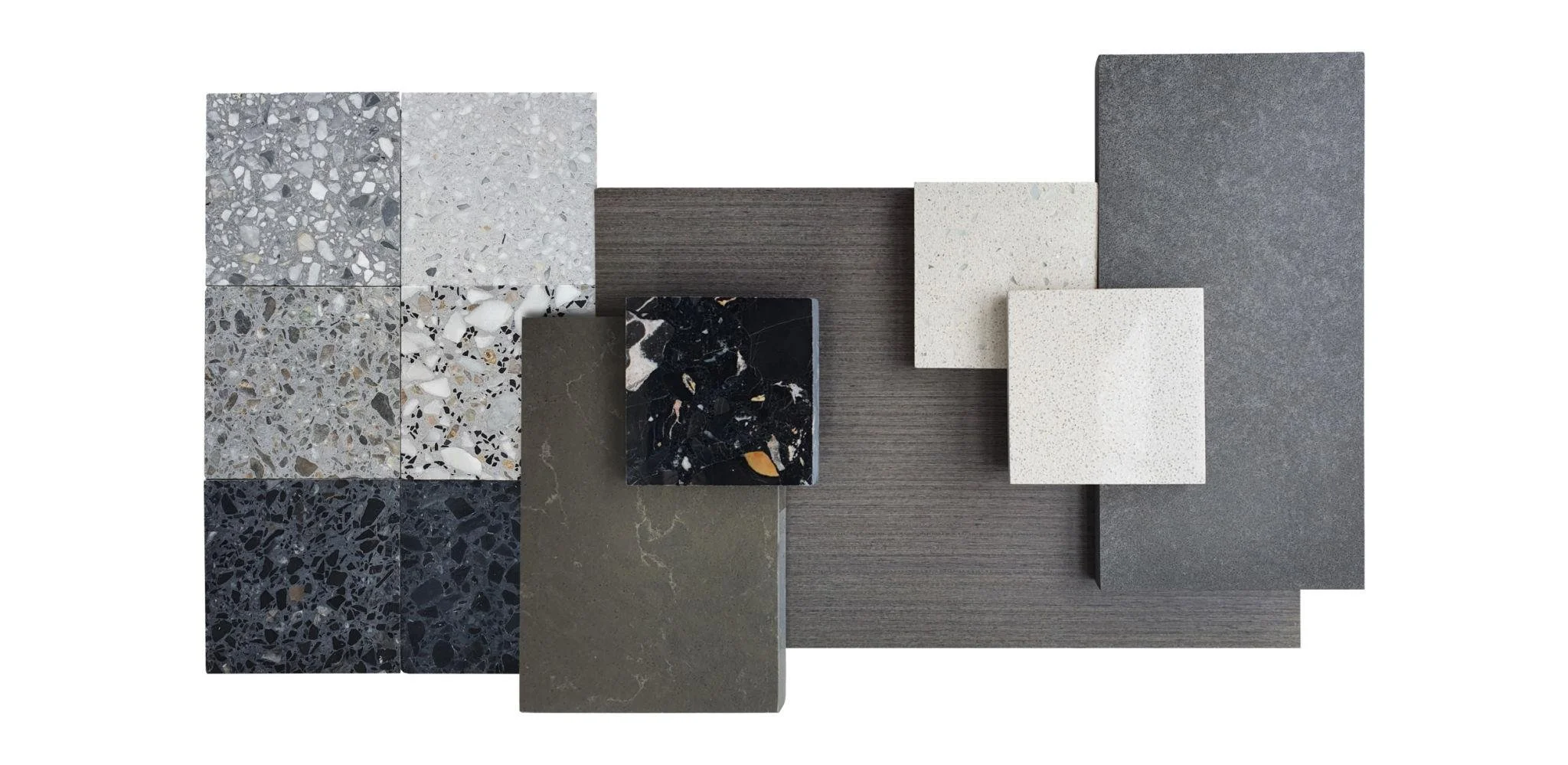
5. Material Selection & Finishes
Material choices have a major impact on cost.
Examples:
-Exterior finishes (brick, stucco, siding)
-Windows and doors
-Flooring and cabinetry
-Roofing materials
Higher-end finishes increase cost, but also improve durability and resale value.

6. Site Conditions & Accessibility
Every property presents different challenges.
Cost may increase if your site has:
-Limited access for equipment
-Sloped or uneven land
-Older foundation conditions
-Tight urban spacing
These factors affect labor, logistics, and construction time.
7. Construction Timeline & Project Management
Delays can significantly increase costs.
A well-managed project ensures:
-Proper trade scheduling
-Efficient material delivery
-Smooth inspection coordination
Poor coordination leads to downtime, rework, and budget overruns.
The Real Cost Is About Planning, Not Just Budget
Instead of asking “How much does it cost?”, a better question is:
“What level of project am I planning?”
A properly planned home addition:
-Aligns with zoning regulations
-Minimizes approval delays
-Avoids structural surprises
-Stays on schedule and budget
How to Get an Accurate Estimate
The only way to get a reliable cost estimate is through:
1.Site evaluation
2.Preliminary design discussion
3.Understanding your goals and space requirements
Every project should be assessed individually — not based on generic online numbers.
Work With a Contractor Who Understands GTA Regulations
Home additions in the GTA require more than just construction — they require:
-Permit expertise
-Zoning knowledge
-Structural planning
-Inspection coordination
Working with an experienced contractor ensures your project is code-compliant, efficient, and built to last.
Start Planning Your Home Addition Today
Thinking about adding more space to your home?
Our team at Betterview Construction provides full-service home addition solutions, from design and permits to construction and final inspection.
Contact us today to discuss your project and get a tailored consultation.