
How to Know If Your Property Is Suitable for a Home Addition in GTA
Why Property Suitability Matters Before Planning a Home Addition
A home addition is not just about adding space — it’s about what your property legally and structurally allows.
In the Greater Toronto Area (GTA), your project must comply with:
-Municipal zoning bylaws
-Lot size and setbacks
-Building code requirements
-Structural capacity of the existing home
Starting without verifying these factors can lead to:
-Permit rejection
-Costly redesigns
-Delays in approval
-Unexpected structural upgrades
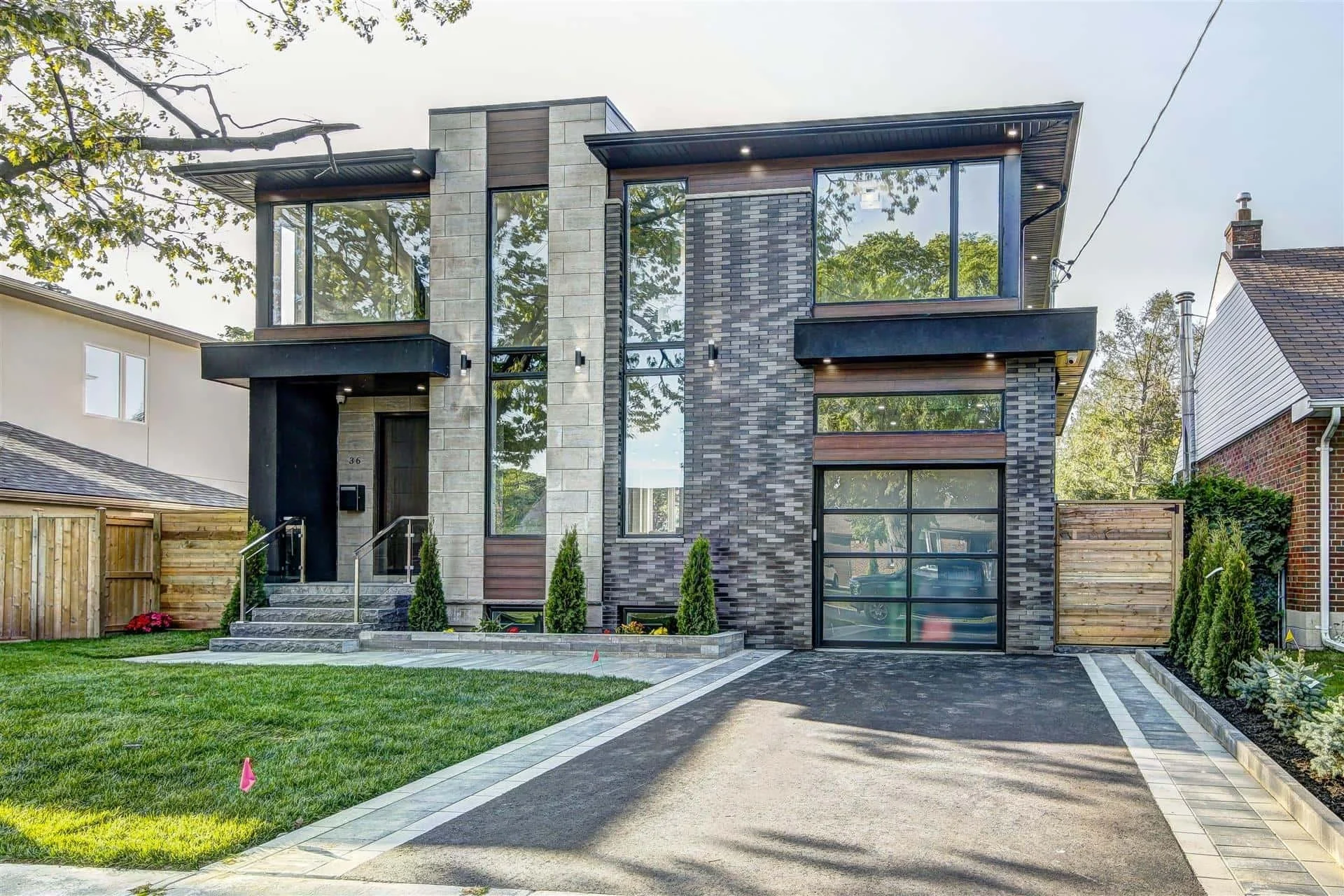
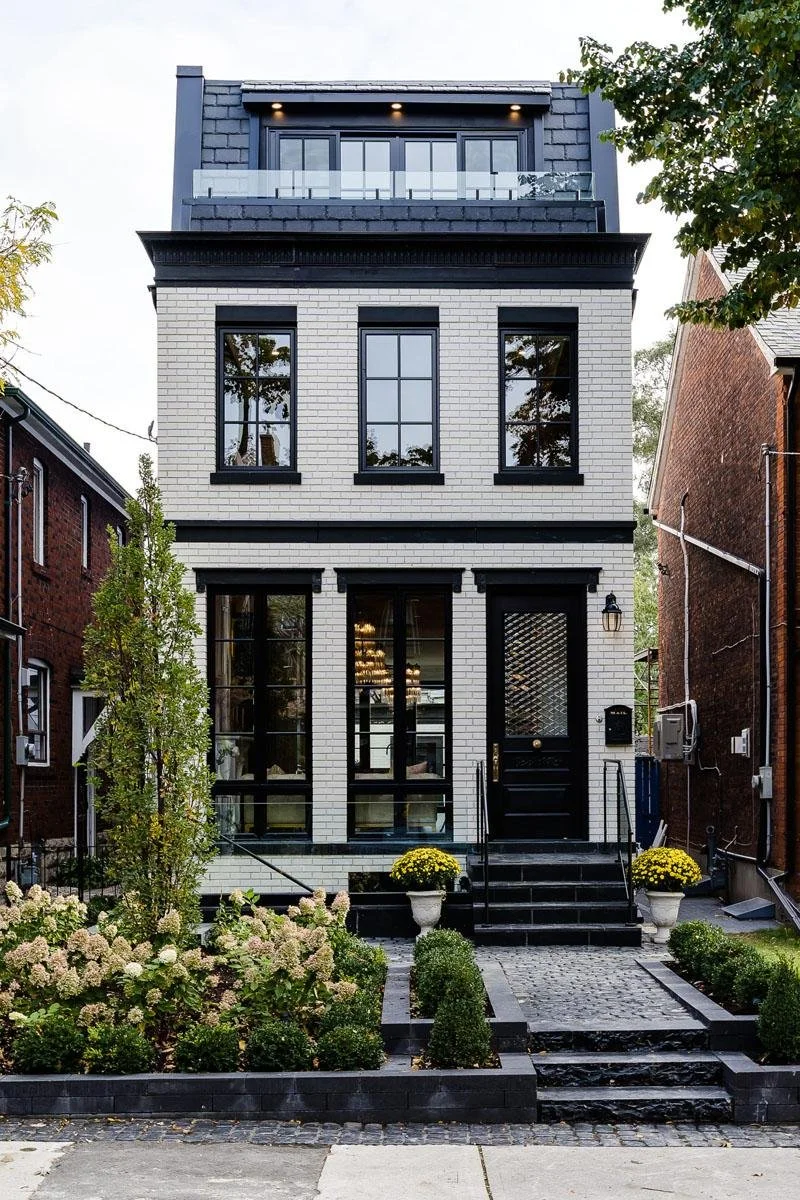
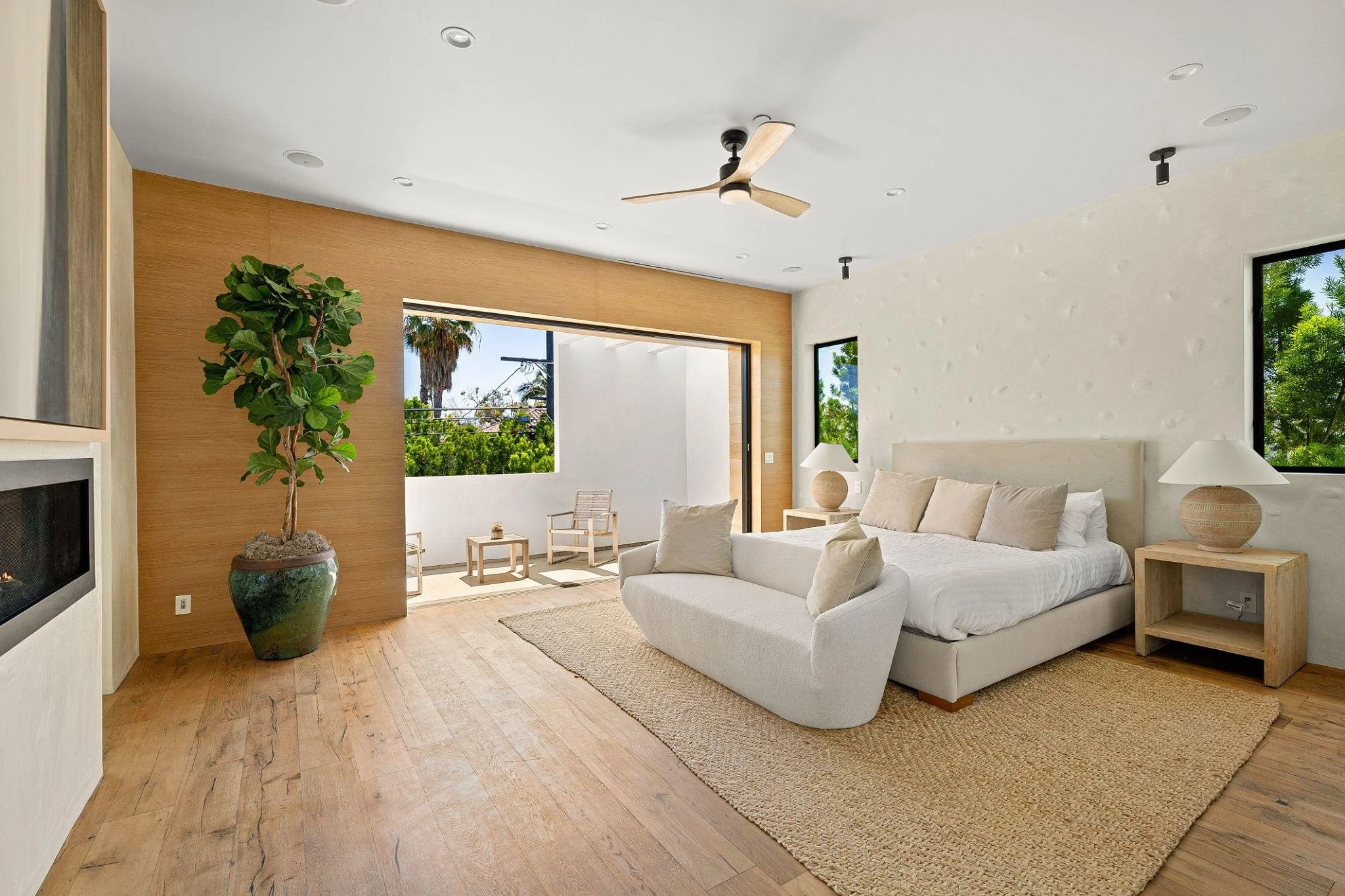
1. Zoning & Bylaws: What You’re Allowed to Build
Every city in the GTA has zoning regulations that define what you can build on your property.
Key factors include:
-Lot coverage (how much of your land can be built on)
-Setbacks (distance from property lines)
-Height restrictions
-Floor Space Index (FSI)
If your addition exceeds these limits, you may need a Committee of Adjustment (COA) application.
2. Lot Size & Layout: Do You Have Enough Space?
Not all properties can physically accommodate an addition.
You need to evaluate:
-Available backyard or side yard space
-Distance to neighboring properties
-Driveway and access constraints
-Existing structures (garage, deck, etc.)
Homes on narrow or small lots often require creative solutions such as:
-Rear extensions
-Second floor additions
-Interior reconfiguration
3. Structural Capacity of Your Existing Home
Your current structure must be able to support the new addition.
Important checks include:
-Foundation condition
-Load-bearing walls
-Framing strength
-Roof structure
For example:
-A second floor addition often requires structural reinforcement
-Older homes may need foundation upgrades or underpinning
This is where engineers play a critical role in feasibility.
4. Permits & Approval Process in GTA
Most home additions require permits before construction begins.
You’ll typically need:
-Architectural drawings
-Structural drawings
-Site plan
-Zoning compliance review
In some cases:
-COA approval (minor variance)
-Multiple revisions before approval
5. Common Red Flags That Limit Home Additions
Not all properties are ideal candidates.
Watch out for:
-Very small lot size with no setback flexibility
-Properties already at maximum lot coverage
-Structural limitations in older homes
-Heritage property restrictions
-Tight neighborhood spacing
These don’t mean your project is impossible — but they increase complexity and cost.
6. When a Home Addition May Not Be the Best Option
Sometimes, alternatives make more sense:
-Basement underpinning (increase usable space below)
-Interior layout redesign
-Garage conversion
-Building a new custom home
Choosing the right approach depends on your property + your goals.
How to Quickly Assess Your Property
Before contacting a contractor, ask yourself:
-Do I have available space on my lot?
-Has my area reached maximum zoning limits?
-Is my home structurally sound?
-Am I prepared for permits and approvals?
-What is my long-term goal (space vs value vs lifestyle)?
Final Thoughts
Every home addition starts with one key question:
Is your property actually suitable for expansion?
The answer depends on zoning, structure, and smart planning — not just your idea.
Not sure if your property qualifies for a home addition?
Betterview Construction provides:
-Property feasibility assessments
-Zoning and permit guidance
-Design-build solutions across the GTA
Contact us today to schedule a consultation and get expert advice on your project.